Lift Human Creativity
Support the moment when a vague thought becomes visible enough to test, refine, and continue.

iisacc Solutions

Support the moment when a vague thought becomes visible enough to test, refine, and continue.
Give people small, direct ways to organize color, time, notes, sketches, and decisions before the work becomes larger.
Help more makers turn personal imagination into useful artifacts, shared plans, and humane technology.
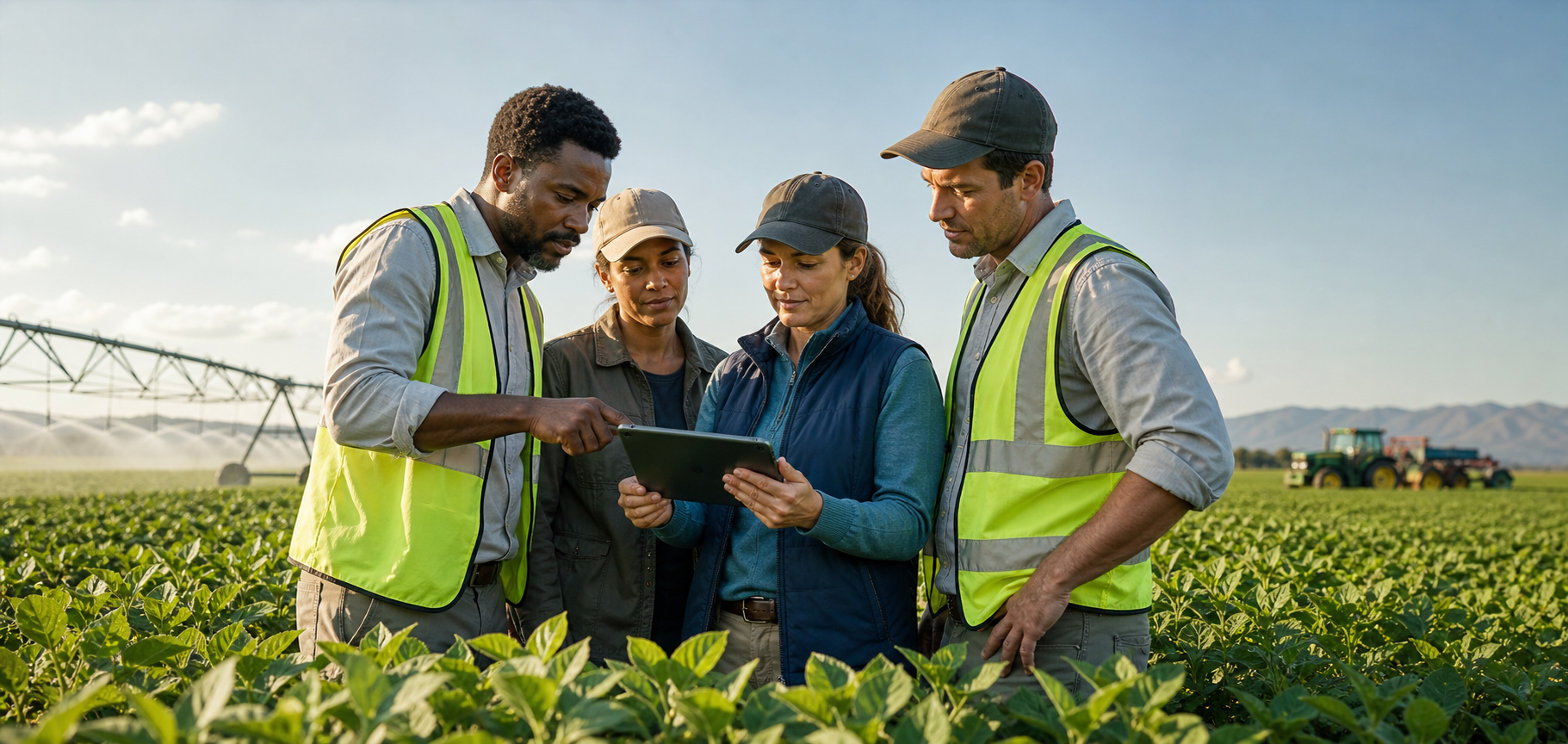
iisacc is not limited to one product shelf. The direction is software that can support the human work behind farms, drones, design studios, factories, films, infrastructure, and cities.

Research teams need software that lets evidence, models, and human judgment stay close together. A useful solution makes complex signals easier to discuss, so people can move from uncertainty toward decisions that protect and improve human life.

Learning spaces become stronger when students can turn sketches, code, materials, and feedback into one shared process. The right tools help imagination become visible early, then keep the path open from a first idea to a working prototype.

Visual design turns judgment, accessibility, color, and composition into decisions other people can feel and use. A practical design solution should help teams compare palettes, convert values, and keep the path from visual intent to implementation short.

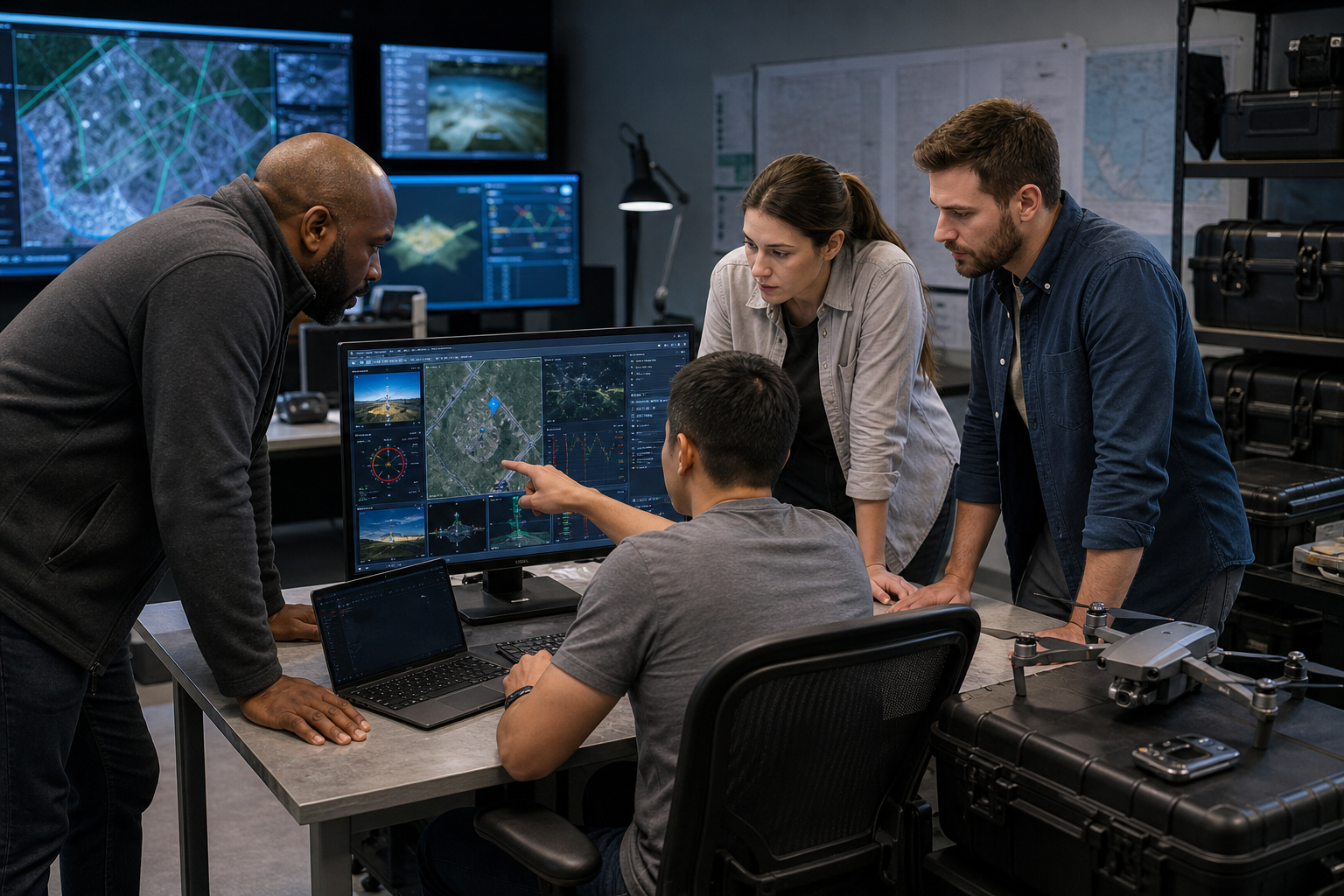
Industrial systems are most useful when people can understand what machines are doing and why. iisacc solutions should help teams inspect behavior, adjust workflows, and keep human intent present inside highly technical environments.

Logistics work depends on timing, movement, constraints, and trust between people who cannot see the whole system at once. Clear software can make those hidden relationships visible before decisions harden into delays or waste.

Digital film work turns imagination into shared visual reality through hundreds of small decisions. Creative tools should protect the fragile early idea while still giving teams enough structure to iterate, compare, and finish together.

Energy infrastructure supports daily life, so the interfaces around it need to be calm, readable, and precise. Solutions in this space should help people coordinate data, field conditions, and long-term responsibility without burying them in noise.

Water systems connect sensors, field work, public health, and civic responsibility. Better tools can help teams notice patterns early, explain what is happening clearly, and act with care before problems become harder to reverse.

Buildable plans emerge when digital models and field realities stay in the same conversation. Software should help engineers, builders, and decision makers keep constraints visible while still making room for better ideas to appear.

Cities are shaped by technical models, public needs, and the everyday imagination of people who live there. Useful solutions make plans easier to see, question, and improve before they become the places everyone must share.

Humane technology expands who gets to create, participate, and shape tools around their own lives. Accessibility is not an afterthought here; it is a reminder that better software should widen human possibility, not narrow it.