

Improve Your Creative Workflow with AI
A better creative workflow helps ideas move between stages without losing the decisions that shaped them. Instead of promising a fixed speed increase, look for specific sources of friction and improve the steps that matter to your work.
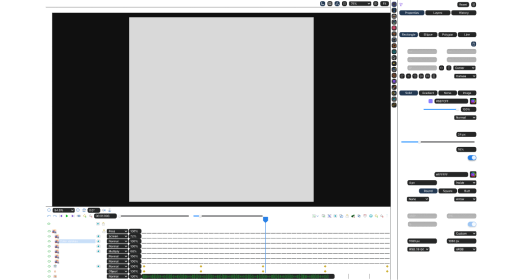
Map the work from brief to delivery
Write down the stages you actually use: gathering references, creating a brief, exploring options, editing, review, and export. Note where files or decisions are repeatedly lost between those stages.
Choose one bottleneck to address first. For example, a consistent naming convention and an accessible reference folder may solve a review problem more effectively than adding another tool.
Connect exploration with editing
Use generative AI where alternatives are useful, then bring selected work into the editing process. Keep prompts, reference permissions, and the chosen outputs together so that the next person can understand the direction.
Preserve editable files and meaningful versions. Separate draft exploration from approved deliverables so that revisions can happen without confusing an experiment with a finished asset.
Measure what actually improves
Compare a small number of similar projects before and after a change. Track useful measures such as time spent finding assets, review cycles, and how often work has to be repeated.
Numbers are most useful alongside quality and creator feedback. Keep the steps that reduce friction without removing the review, control, and creative decisions the project needs.